


- Jul 1, 2018
- 2,450
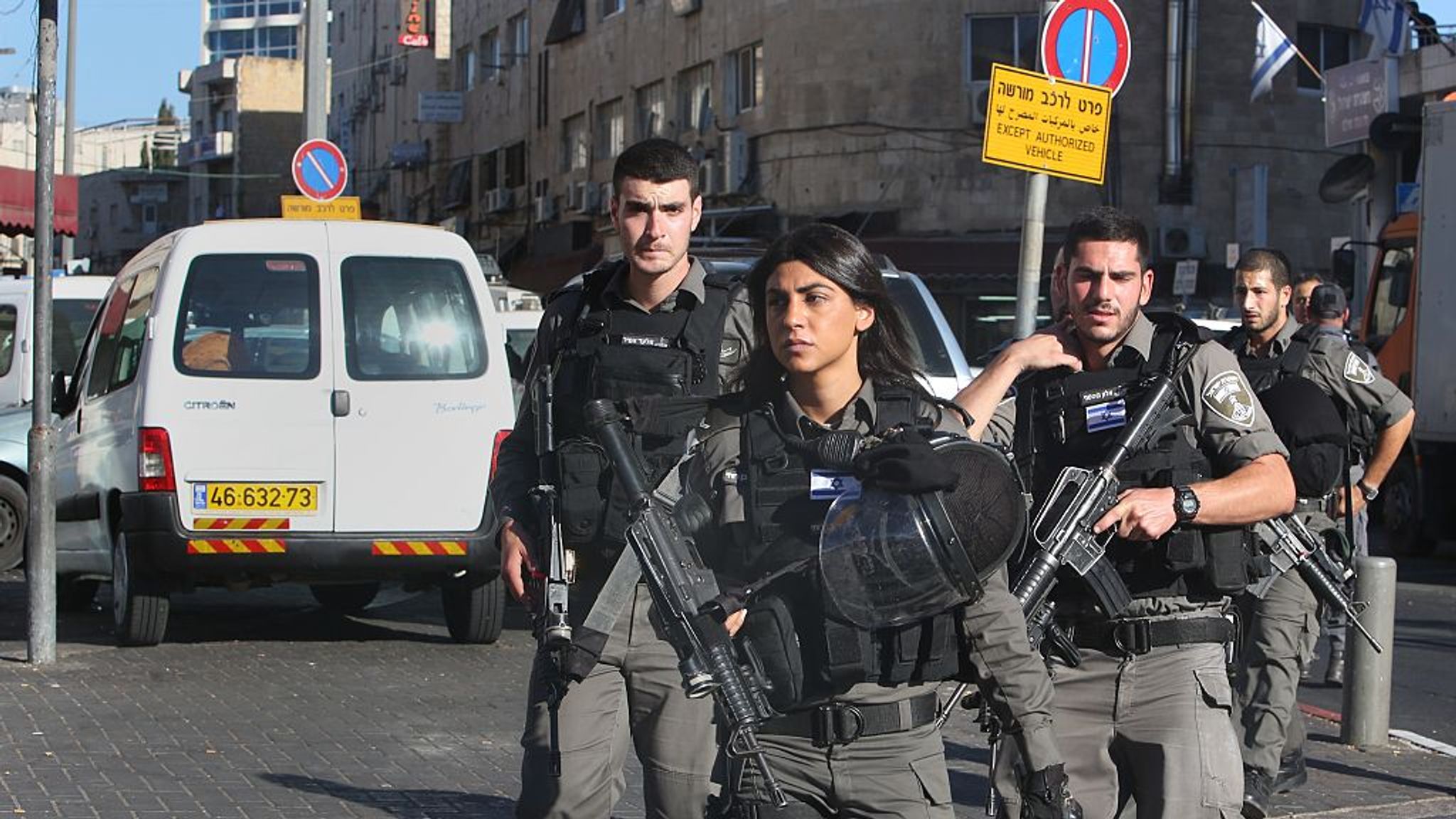
The first light of dawn spread across the hills surrounding Jerusalem as a convoy of Israel Border Police vehicles rolled toward their assigned positions. Under orders from the newly formed Israeli government, commanders had begun re-establishing a series of permanent checkpoints across parts of the West Bank while also increasing the Border Police presence in and around Jerusalem's Old City. Rather than installing permanent checkpoints at every gate to the Old City, officers were assigned to fixed posts, patrols, and temporary screening points that could be activated as security conditions required.
Commander Amir stood beside a map spread across the bonnet of a patrol vehicle. Around him, officers listened as he outlined the day's operation.
"Our mission is straightforward," he said. "Set up the checkpoints professionally, follow procedure, and treat every person with respect. Our responsibility is security, and our conduct reflects that responsibility."
The officers acknowledged their assignments before dispersing.
Engineering teams assembled barriers, inspection lanes, communications equipment, and observation posts at designated West Bank checkpoints. In Jerusalem, Border Police officers took up positions near major entrances to the Old City, including Damascus Gate, Jaffa Gate, and Lion's Gate, where they conducted routine patrols and remained prepared to establish temporary security checks if circumstances required.
As traffic and pedestrians began moving through the region, the operation settled into a steady rhythm. At the West Bank checkpoints, commuters, delivery drivers, public transport, and emergency vehicles passed through inspection lanes while officers verified documents and conducted vehicle checks when required. Around the Old City, foot patrols engaged with visitors, monitored crowds, and coordinated with local police to maintain public order.
Some travellers accepted the renewed security measures with little comment, while others expressed frustration over delays and the increased security presence. Officers responded courteously, explaining that they were carrying out government policy while following established procedures.
Throughout the day, the regional command centre monitored reports from every checkpoint and patrol. Traffic flow, waiting times, and operational updates were relayed by radio, allowing commanders to reassign personnel whenever congestion developed or additional resources were needed.
As evening approached, Commander Amir visited several posts.
"People will remember how they were treated," he reminded his officers. "Stay calm, stay alert, and follow procedure."
Floodlights illuminated the West Bank checkpoints as night fell, while the Old City's patrols continued through its narrow streets and historic gates. By midnight, headquarters had received confirmation that the re-established checkpoints were fully operational and that the enhanced Border Police deployment around Jerusalem was in place. For the officers on duty, the day had been one of long hours, routine inspections, and maintaining a visible security presence in a complex and closely watched environment.


